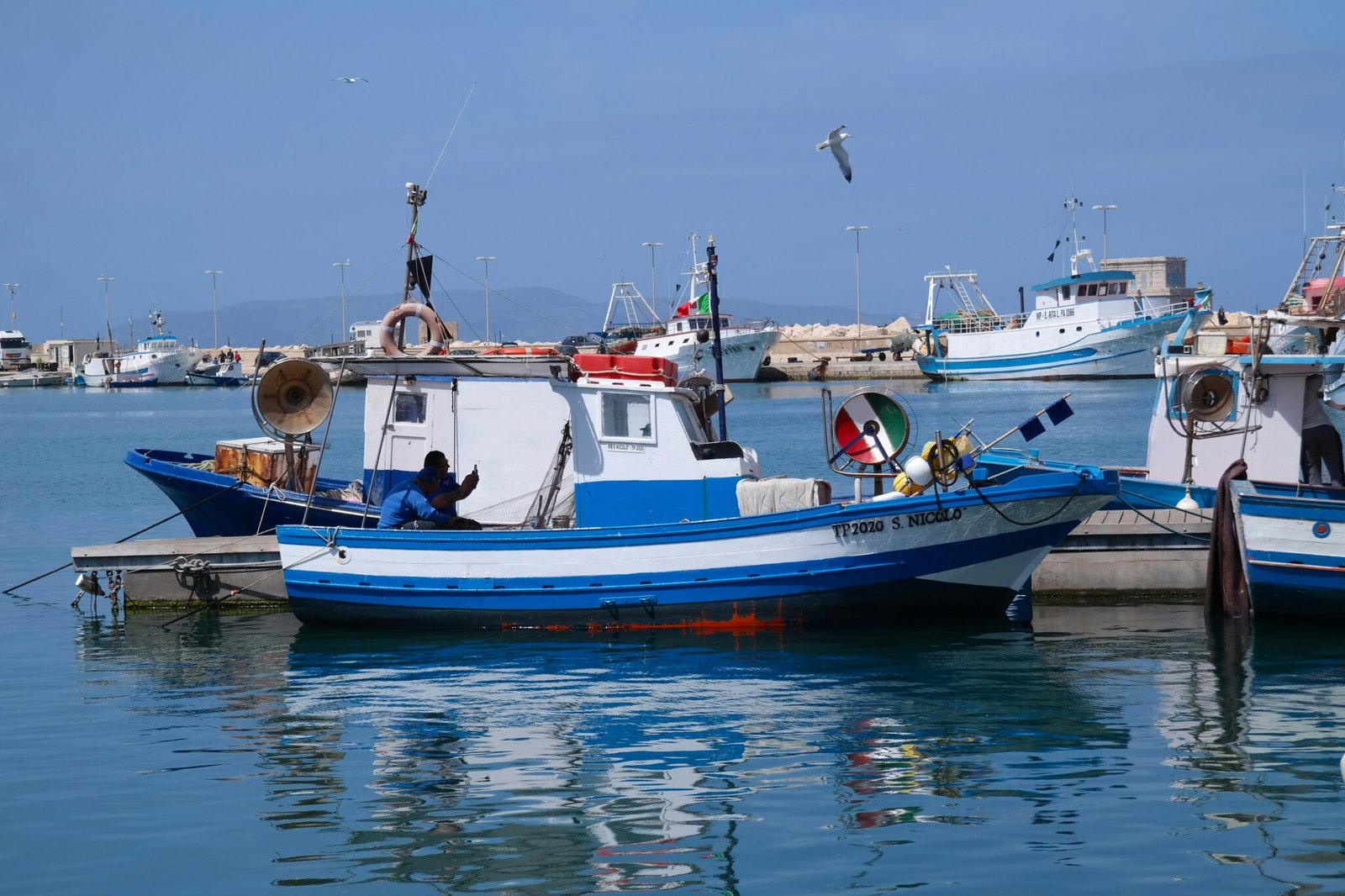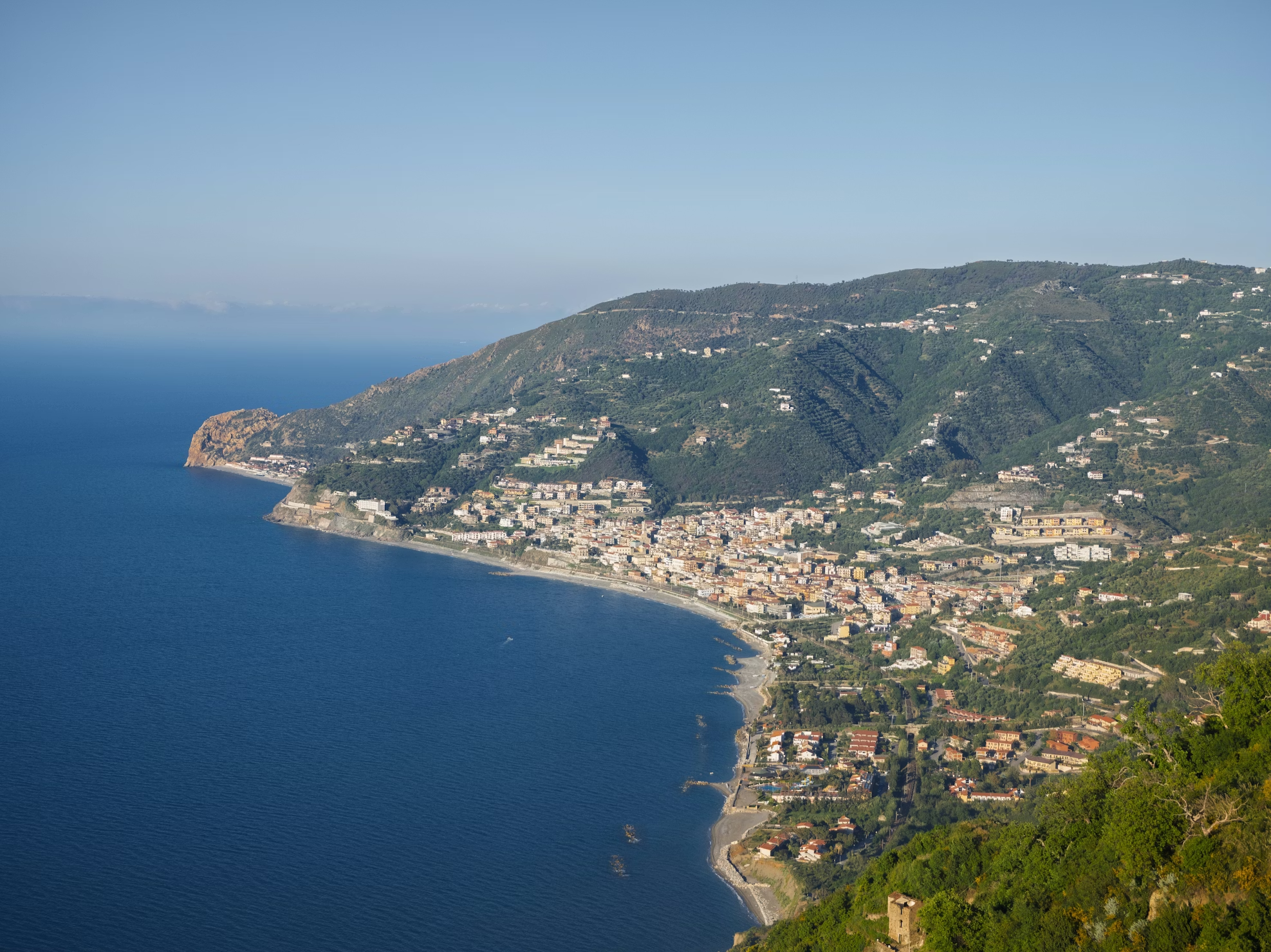
WHY SICILY?
Sicily is a unique crossroads of history, traditions, and cultures. It lies in the centre of the Mediterranean Sea and has always been a meeting point for populations from all directions and origins. This makes the island so distinctive and not comparable with other sunny places across Europe and around the world.
Some good reasons to visit the island include stunning natural scenery and beaches, a mild climate, rich history and art, delicious fruit and vegetables, diverse cuisine, excellent air connections, authenticity, a relaxed lifestyle, sustainable tourism, potential opportunities, reasonable prices, and low taxes.
Getting familiar with the island, you will understand why Sicily cannot be compared to other tourist destinations around the world. The process of standardisation has certainly arrived here as well, but to a lesser extent than elsewhere. The Sicilian language is commonly spoken by people of all ages and shows no signs of regression typical of many languages and dialects. The nearly 5 million inhabitants of the island are proud of their traditions, which have ancient origins and to which they have no intention of giving up.
Among these is a certain wise scepticism towards directives or impositions coming from above, especially when they touch on private matters. Every Sicilian is fiercely protective of their personal and family life, and intrusions into these areas are often hard to accept. At home, in short, people love to be the king and master. This results in a certain anarchy, but the common foundation of habits and traditions ensures that everything works. Outsiders initially find it difficult to understand, but with curiosity and an open mind, they soon grasp and appreciate it. We are firmly convinced that this is the most beautiful place in the world to live.
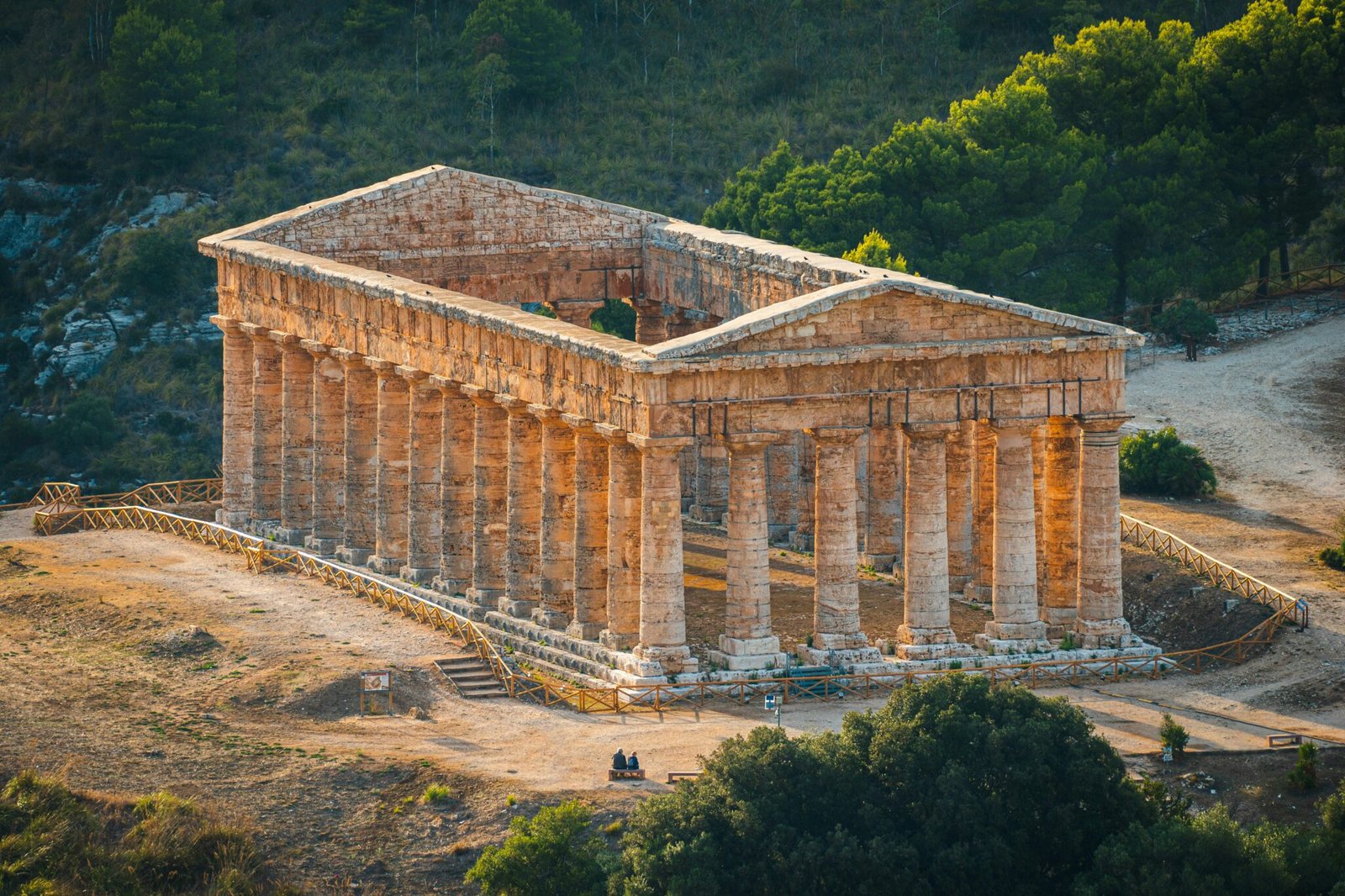
Types of houses and locations
The choice of location and house type is highly subjective and largely depends on how you intend to use your house.
In fact, perfect houses do not exist, and when considering your target, you must accept compromises based on your priorities and budget. It then falls to you to turn your house into your “home,” and as you know, this requires dedication and passion.
Townhouses offer convenience and services, but they are seldom equipped with panoramic terraces. Sea towns are usually busy and noisy in summer, and sometimes too quiet outside the season.
Therefore, when defining your target, you should first understand your real needs and what you are genuinely seeking. The budget you need to consider varies greatly depending on your requests.
For guidance, some options include: a town house, a seafront house, a countryside house, a house with or without a terrace, a house with or without a garden, a house with or without stairs, a house with a panoramic view, a quiet house, a house with a parking space, a house well connected to public transport, a house for those who do not drive, a house with a pool, a traditional or historic house, land on which to build a house, a house to be rented or used for one’s own needs.
To see a description of the different places where we operate, click here.
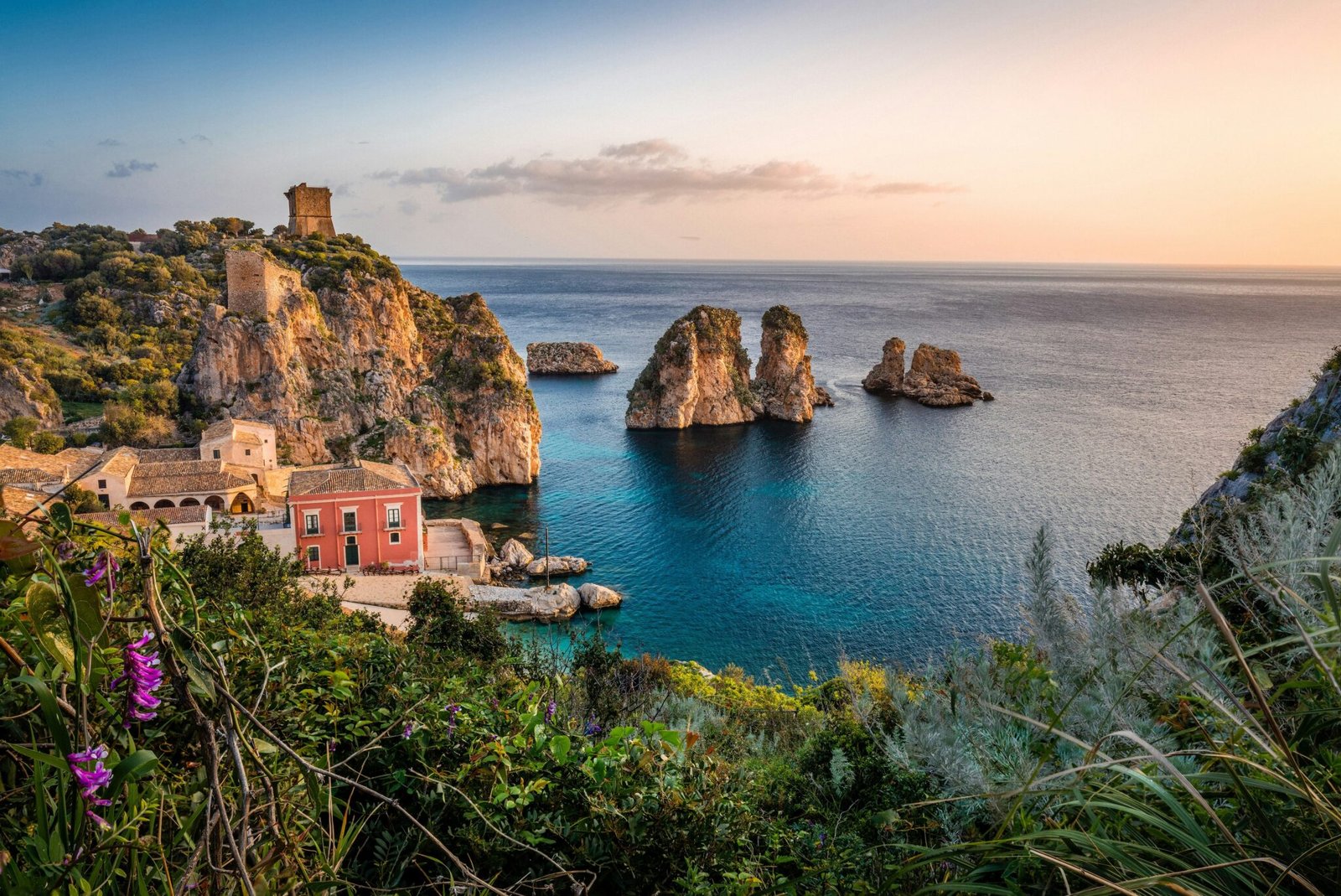
Some additional inputs
When choosing a house, you should consider basic factors such as the area’s internet signal and water availability. While the island generally has good internet coverage, water supply varies by zone and municipality.
The northern and eastern parts of the island tend to be better than the south and west, but it is advisable to check carefully before buying a house. Also, be aware that dwellings often provide poor-quality water, and tanks require maintenance and continuous use.
Before purchasing, examine the area’s development plans to avoid having streets, railways, industrial sites, or similar developments constructed close to your property, which could reduce its value. It is also crucial to verify that the house complies with urban and cadastral regulations.
You also need to confirm that it has the so-called “agibilità” or “SCA” (suitability for living purposes), certifying that it was built with the proper permits and meets standards for hygiene, healthcare, structural safety, and energy efficiency. Without this certification, reselling your house could become troublesome and costly.
Regarding agibilità, note that it is generally not required for houses built before 1967. Therefore, it is advisable to obtain a substantial regularity certificate from an expert (architect, engineer, or surveyor) before purchasing. However, if you carry out significant renovations, you must obtain agibilità, regardless of whether the house was built before 1967.
1 euro houses
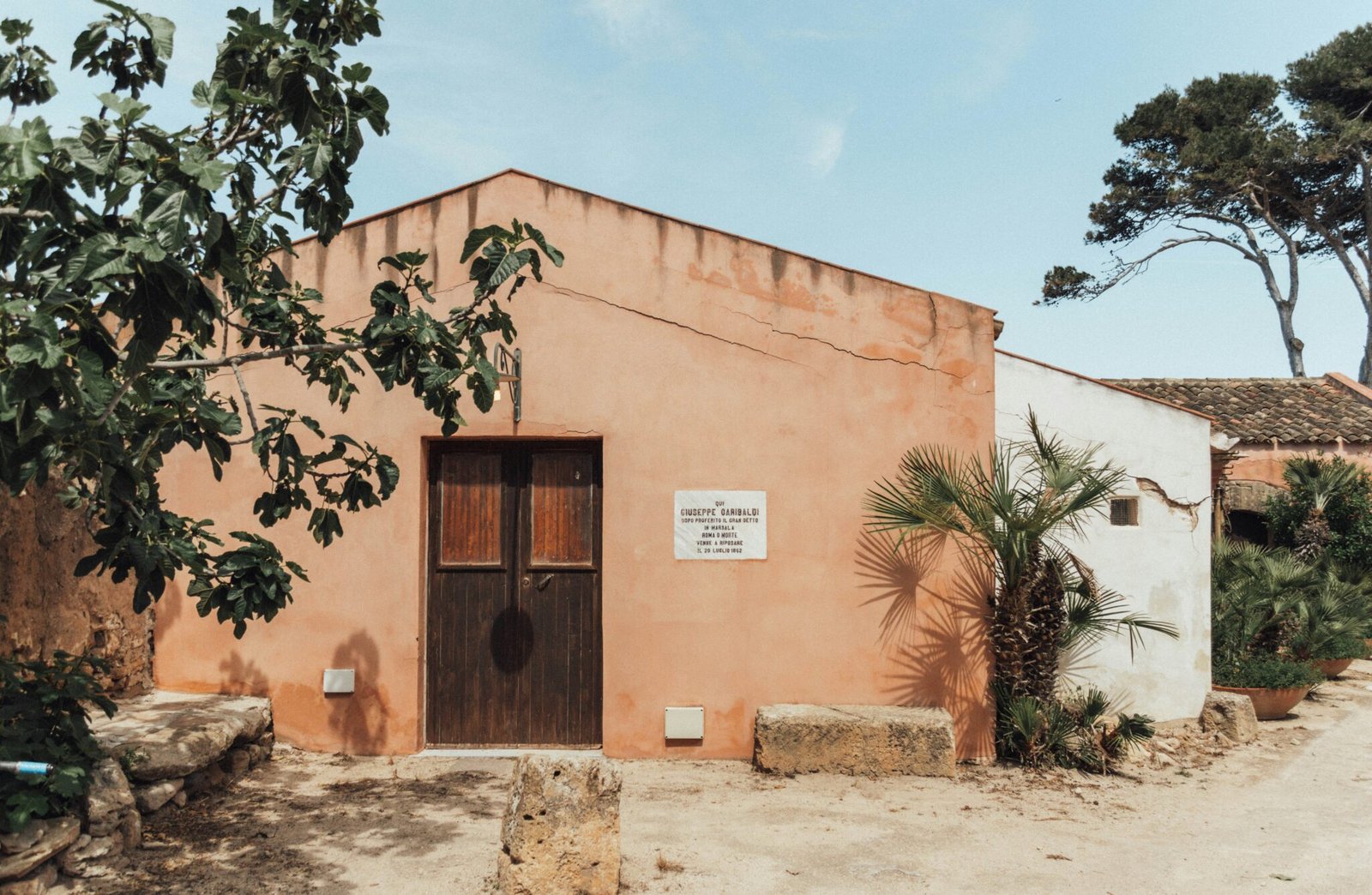
As you may know from international newspapers, many villages in Sicily offer houses for 1 euro. These are often dilapidated properties that have fallen into the ownership of the local council due to the lack of heirs or other reasons.
To acquire this property, you need to submit an application to the council, present a renovation plan, and go through a lot of bureaucracy. The renovation project, schedule of works, and intended use of the house after renovation are subject to restrictions and oversight. Additionally, restructuring works carried out under this scheme are often more costly than standard renovations due to bottlenecks from the limited number of construction firms in these villages, which inevitably face peak workloads.
Therefore, in many cases, it might be wiser to buy inexpensive property outside the public 1 Euro scheme.
Climate and Temperatures
Sicily benefits from a wonderful climate, making the island resemble an authentic paradise. Winters are brief and mild, the shoulder seasons are perfectly temperate, and summers are hot. Clouds pass swiftly, and genuine rainy or stormy days are infrequent.
However, there are small climatic differences across the island. The area around Palermo is somewhat rainier, the region near Trapani is windier, the southern-facing area is drier, and the eastern part shows climatic variations caused by Etna.
The temperature of the sea also varies in different areas. The Ionian Sea (east coast) is generally slightly warmer than the Tyrrhenian Sea (north coast), and the Sicily Channel (south coast) is usually a bit warmer still. These are differences of a few degrees, so not large but perceptible.
Sicily is the Italian region with the highest average altitude, and many areas are situated over 800 metres above sea level. Here, in winter, it is cold, and even in summer, the evenings are cool.
Throughout the island, winter exists, even if it is short-lived. The coldest months are from December to March, and during these months, heating is necessary at home. This is not only in the mountainous areas but also near the sea, where, in addition to the cold, there is also a humidity factor.
When purchasing a house, this aspect should be considered because many houses, especially in seaside areas, are without heating. In the past, when it was cold, the whole family would sit in front of the fireplace dressed and covered; today, we are accustomed to comfort, and with a coat on indoors, we are no longer able to live comfortably.