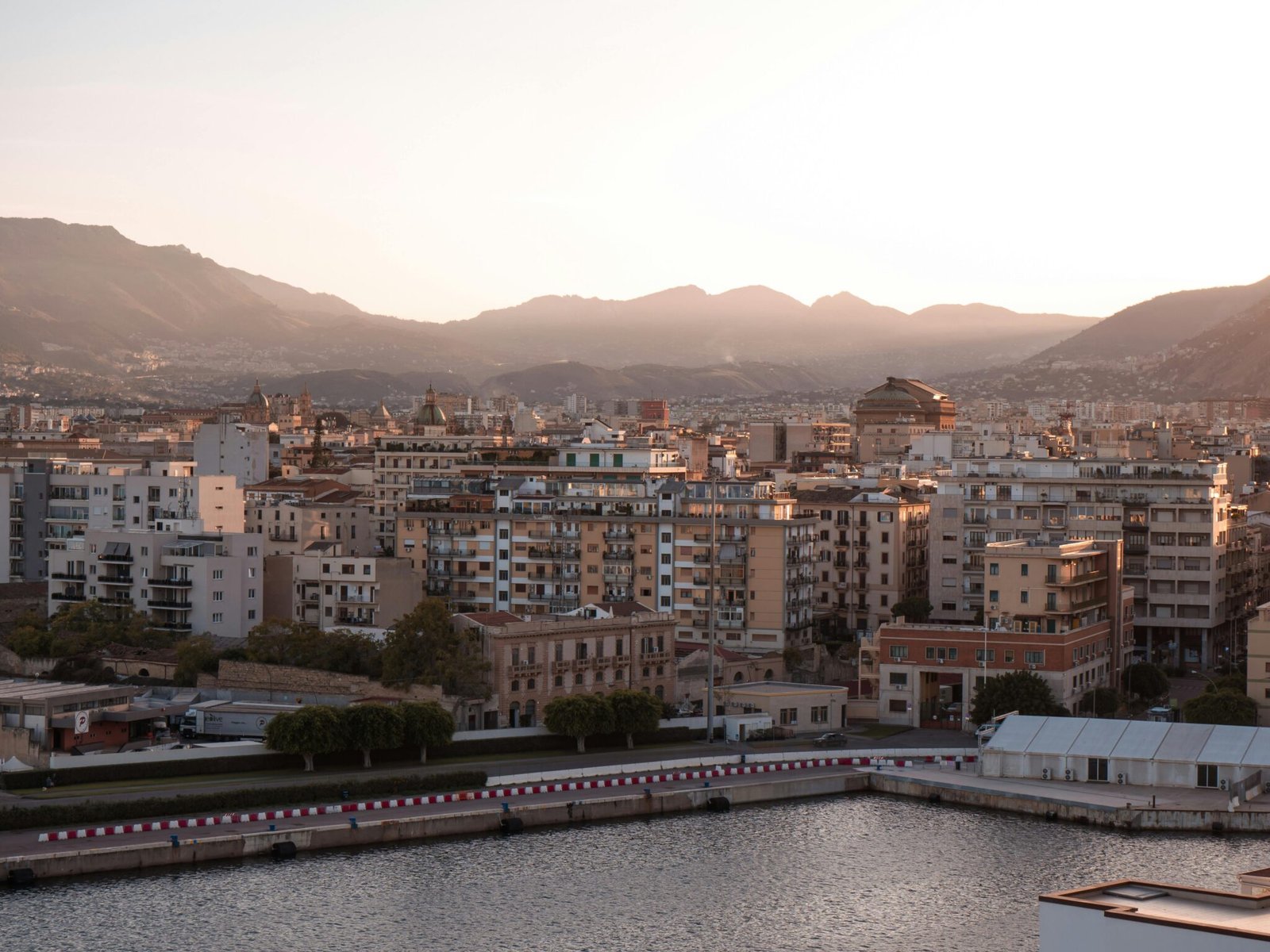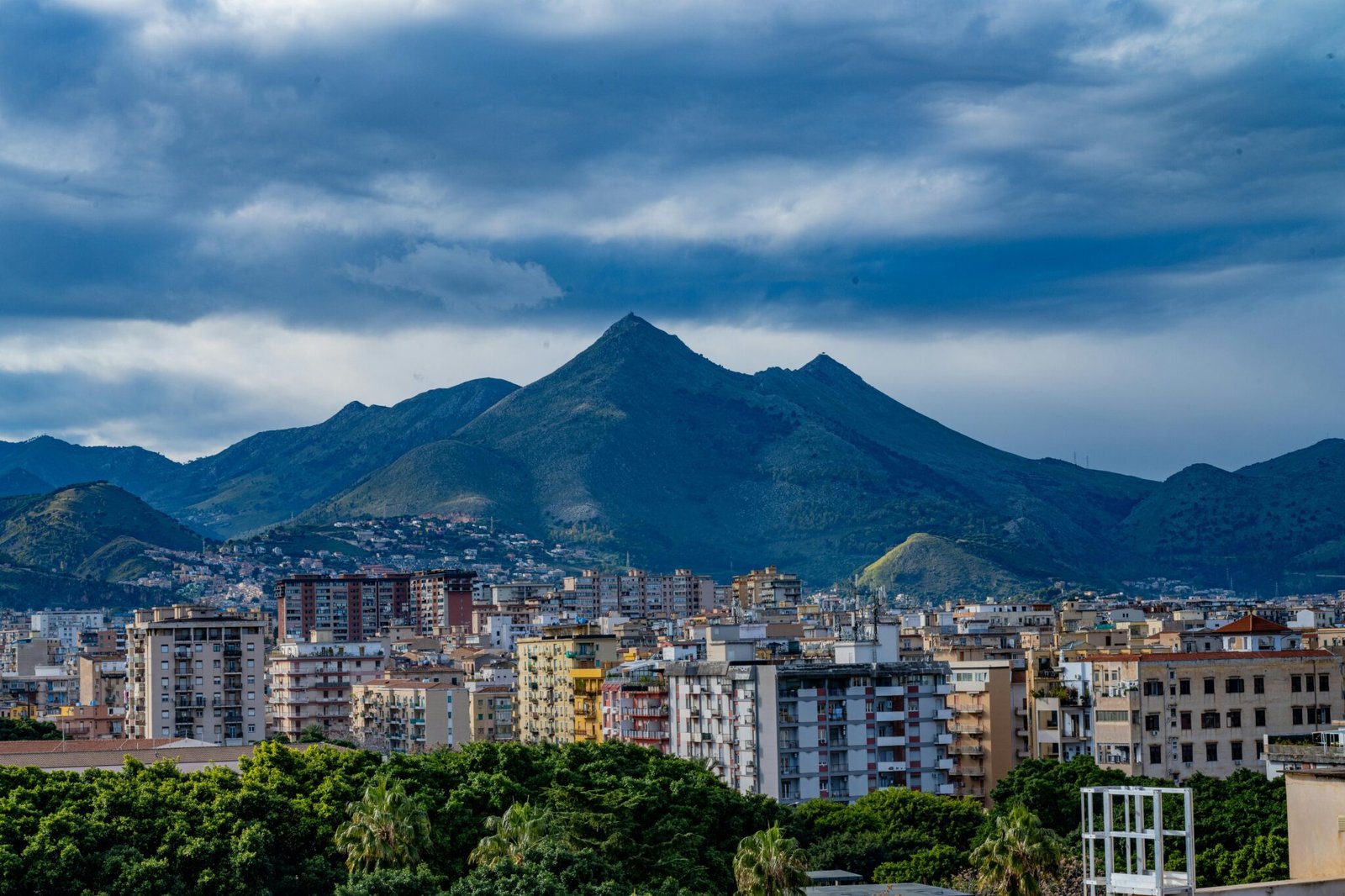
Palermo
The different areas of the city - in general
Palermo’s areas are quite diverse, with more than one centre.
During the war, the historic centre was heavily bombed and gradually emptied. Moreover, in the post-war years, there was significant migration from the island’s interior to the city, as many families moved here for work and access to city services. Consequently, the city expanded northwards, and the residents of Palermo established a new centre there. This area includes around Via Libertà, the stadium, and Notarbartolo station.
Many new buildings, equipped with amenities such as garages, balconies, lifts, and more – features not common in the historic centre – were constructed here. The area is valued by Palermo’s residents for its elegant streets, beautiful houses, and shops. Meanwhile, the old historic centre was abandoned, and many houses fell into disrepair. Only recently has there been a revival driven by tourism and a growing appreciation of the city’s heritage.
There are also some traditional neighbourhoods close to the historic centre that have preserved their original features: the Zisa and Corso Tukory areas are among them. With this overview, we will now provide some information about the different zones.
The new centre
As mentioned above, this area surrounds Via Libertà, the stadium, and the Notarbartolo station. It is a large zone that includes a smaller, prestigious sector known for its architecturally notable houses on elegant streets. Around these few streets, there is a wider area where, in recent years, buildings of varying quality have been developed. Aside from the most exclusive zone, this area can appear anonymous, disorganised, and noisy to a foreign buyer. However, it is also important to recognise why Palermitans enjoy living here: it offers services, schools, shops, gyms, and a strong social network.
The historic centre
The historic centre consists of four districts: Kalsa, Castellammare, Albergheria, and Monte di Pietà.
Kalsa: It is a neighbourhood that has been revitalised for tourism and is now quite trendy. Most of the houses have been converted into bed-and-breakfasts, and the historic shops have been replaced by a variety of bars and restaurants. The entire neighbourhood is difficult to access by car, and some streets can be quite noisy, especially at night. The buildings are mainly subject to historic preservation restrictions, lack lifts, and have few windows. The neighbourhood appeals to tourists, singles, young people, and couples. However, it is less suitable for families due to limited space and services.
Castellamare: It is the neighbourhood home to the historic Vucciria market. The situation is somewhat similar to that of Kalsa, with the difference that the recovery is not yet as advanced, and there are therefore degraded areas that need renovation and improvement. However, the capital needed is considerable, often because the buildings are very old and have stability issues. The legal status of many properties is also unclear, as owners have, in many cases, emigrated and abandoned them. The traces are lost. The interest among Palermo residents in this neighbourhood is increasing because it is less overwhelmed by tourism than Kalsa.
Albergheria: It is the wealthiest neighbourhood in the historic centre in terms of history, but unfortunately also the most degraded. The urban void created after the war has favoured the settlement of immigrants from Asia and North Africa. The historic Ballarò market remains popular with tourists. In some streets, B&Bs are plentiful, but in the evening, few people are out and about. Access by car is difficult. Foreign buyers appreciate historic houses (especially those with terraces overlooking the old town) and the market, which, however, brings noise and chaos.
Monte di Pietà: The neighbourhood has recently undergone significant building renovations and is full of B&Bs and holiday homes. Here too, the streets are narrow, and driving around is almost impossible. Unlike Kalsa, the area is very quiet.
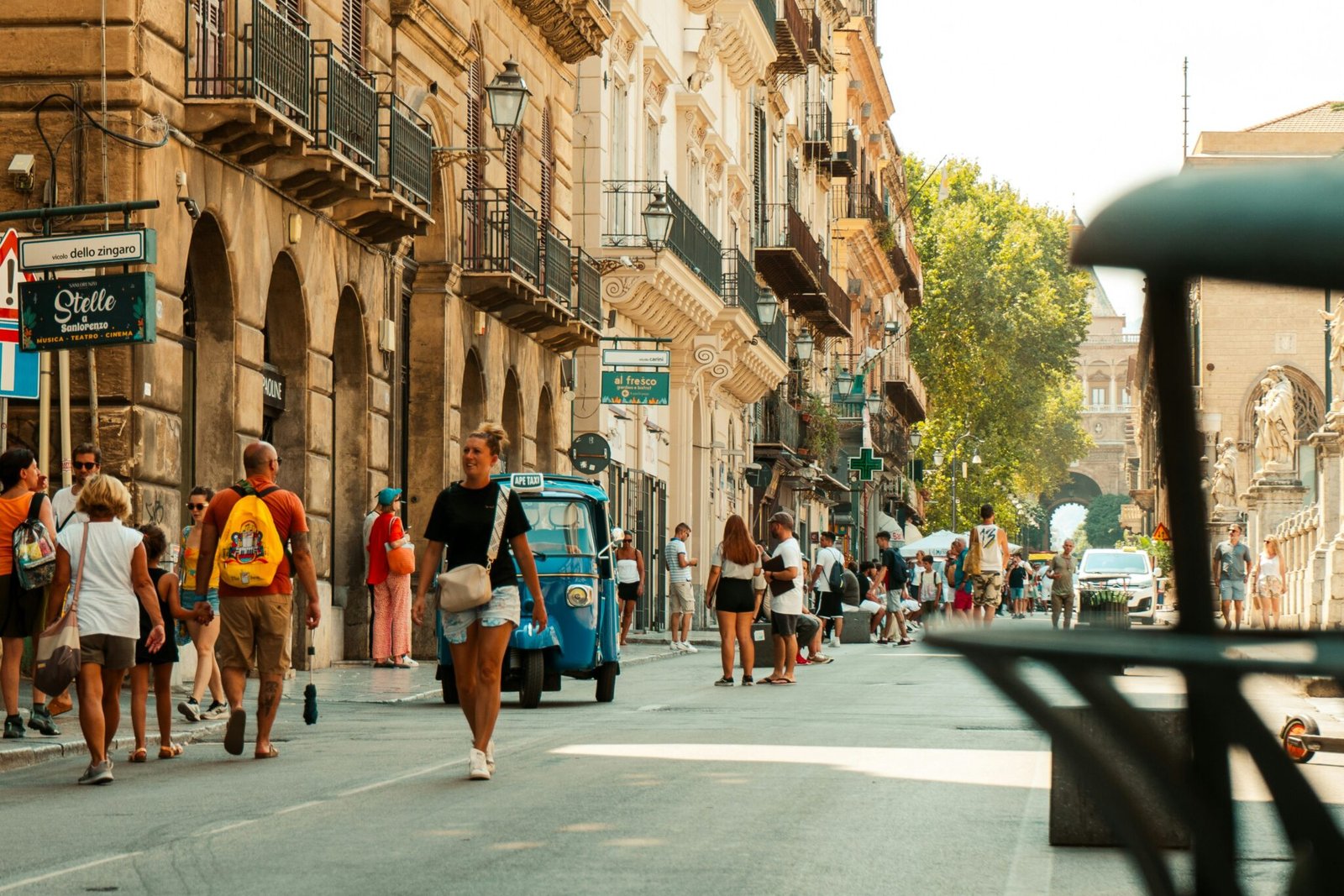
The areas adjacent to the historic centre
As mentioned earlier, two areas near the historic centre have maintained their original character: Zisa and the area around Corso Tukory/Via Oreto.
Zisa: This is a vibrant area filled with shops and services favoured by Palermo residents. It features many historic houses, and the local commercial fabric has been kept intact. Its proximity to the motorway is also seen as convenient by residents.
Oreto/Tukory: This is a mixed neighbourhood inhabited by both local residents and immigrants. Traditional commerce still thrives here. The area offers all essential services, including schools, the city hospital, and public offices. Furthermore, its closeness to the train and bus station provides easy connections to the airport and other cities on the island. Currently undergoing regeneration, this area shows good potential.
The ongoing urban planning projects
The city has big plans and aims to become an important hub in the Mediterranean by enhancing its historical heritage, the richness of its traditions, the sea, and the splendid climate. Here are some of the many ongoing projects:
- completion of works on the seafront in the city centre from Sant’Erasmo to the Trapezoidal Pier
- restoration of the entire seafront to the south of the city towards Messina, which will extend for 4 km with promenades, recreational areas, beach resorts, etc.
- realisation of several new tram lines, including one that will connect the central station to the sea, with continuation to the harbour and towards Mondello
- enhancement of the railway network within the city and its immediate outskirts, with the opening of new routes and more frequent services