The real estate market
Like many tourist areas, the real estate market in Sicily is partly divided between foreign investors and local buyers.
The market for foreign investors can be further divided into: a) seaside houses, b) low-cost properties, c) historic city centres of art cities, and d) luxury properties.
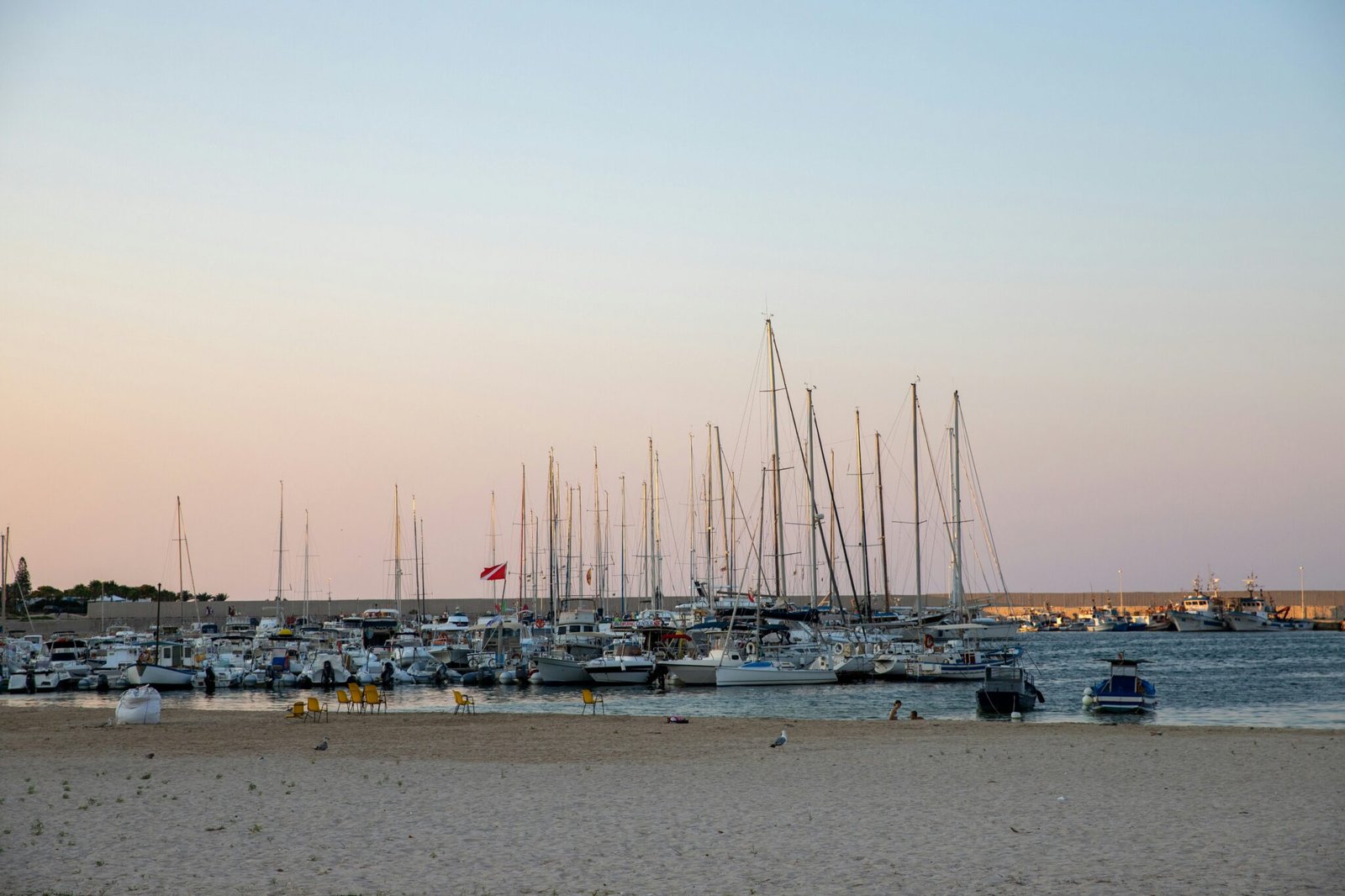
The seaside houses segment attracts both local and international buyers, so demand from both groups combines, keeping prices high, especially for properties of a certain level of prestige.
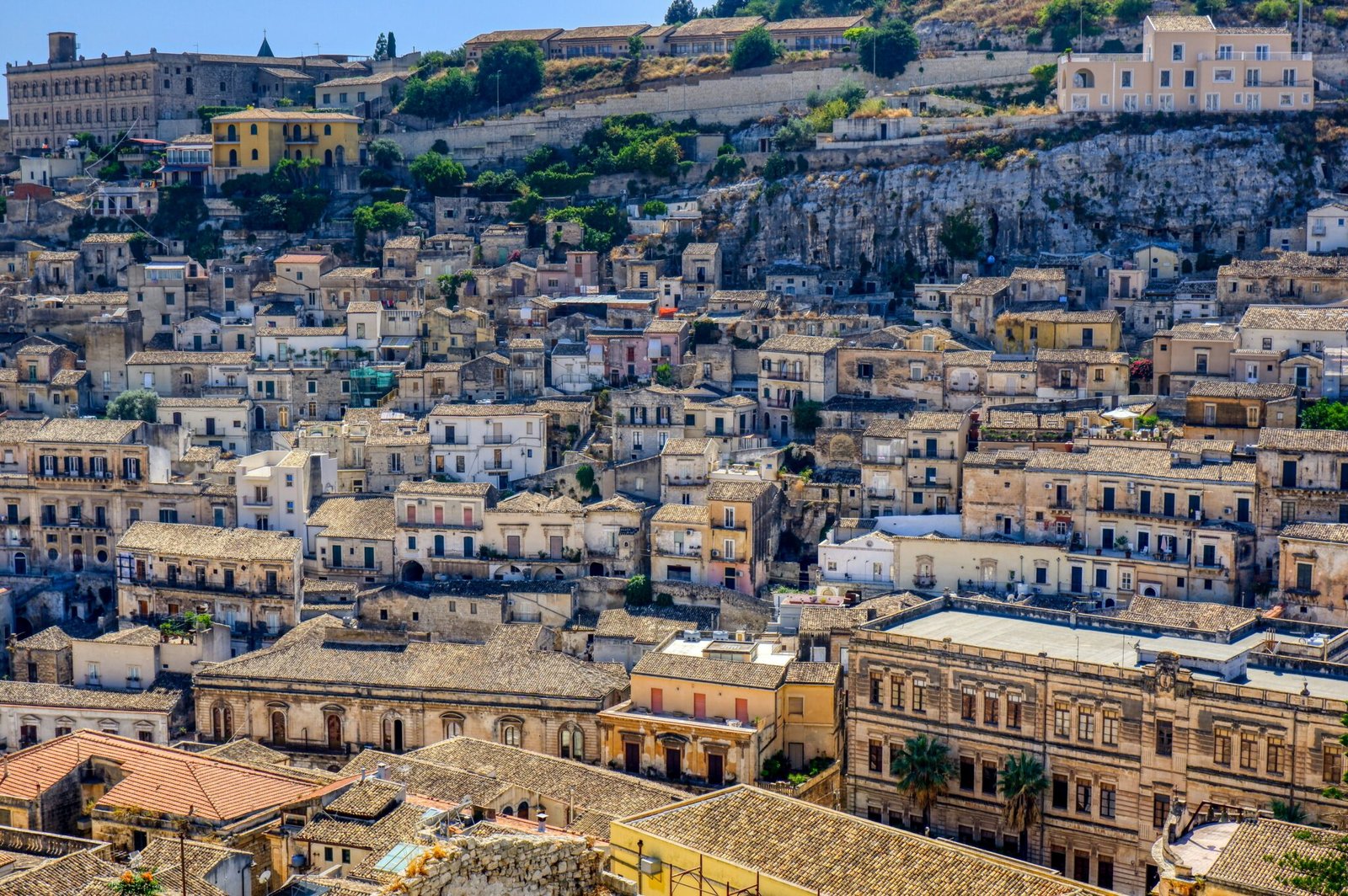
Even the historical city centre segment has recently become highly sought after: this is due to the rise of B&Bs and the increase in tourism, and prices in this segment often exceed what is considered reasonable.
In both of the above segments, prices have their own dynamics and are not solely based on strict square-metre calculations. Factors such as a parking space, an elevator, a terrace, or a garden can significantly influence valuation.
The low-cost segment aimed at foreign buyers generally targets rural areas and inland villages experiencing demographic decline, where local demand is almost nonexistent. The properties available in these regions are potentially very numerous. The market is marked by low activity, with properties often remaining on sale for a long time before a buyer is found. An interesting trend in this market is the increasing number of properties renewed by foreigners that, after a few years of use, are put back on the market. These are foreigners who buy, renovate, stay for a while, and then return to their home countries due to health, family, or other reasons. These properties are generally excellent opportunities for buyers because they are ready for immediate use and not particularly expensive.
The luxury segment, by its nature, transcends regional boundaries because potential buyers are few. This segment also tends to be slow-moving with long sales durations.
Besides all this, there are, of course, also foreigners interested in buying property that typically appeals more to local buyers, such as regular city or suburban houses. This is not a very common choice, but it is definitely understandable. In fact, not everyone purchasing on the island wants to live and behave like a tourist forever. We believe that the full transition to local life and lifestyle deserves support.